New DXO FilmPack 8


Cataract Gorge first basin captured on Fujifilm Superior 400 on a very smokey day its bushfire season!

For about the last six years I have been using Negative Lab Pro a Lightroom plugin to convert my 35mm negative film scans into tiff files.
I used my last ‘purchased’ copy of LR on a 2010 intel MacMini server.
I have used several digital cameras as scanners and they are fine but I do actually prefer the ‘fidelity’ that comes from CCD scanners when digitising film. No matter how clinical one is dust and scratches are a way of life when using film. The scanning software I use are from Epson and VueScan both have infra red dust and scratche removal. Epsons Digital Ice is particularly good. I use and praise Fujifilm cameras but digital cameras just do not do dust removal, even when the film has been carefully rewashed white processing spots still remain and look even worse if one makes prints. As a side note Affinity photos on an iPad with an Apple Pencil is simply the best retouching tool there is for scanned negatives!

Enter DXO Film Pack 8
I still have and occassionaly use the first DXO film pack from 2011 on a legacy Mac. At that time there was less emphasis on the reproduction of individual film stocks as there was on the use of lens filters and darkroom print processing and toning effects.
Leap forward to the 2026 version and the standalone or plugin version of DXO Film Pack is a totally different beast. Not only can one choose to make your digital images look like almost every film from the last eighty years it is now possible to import scanned negatives from scanners or cameras and invert them into positives then output them to the medium of your choice.
The terms and names for sliders and controls in DXO often do not resemble those used in Adobeland! In many ways they more accurately describe the function, but like any language it has to be learnt. My main interest is the new FP is the radically different film inversion and correction features. I would like to use this as a substitute for Negative Lab Pro to provide simpler integration with DXO Photo Lab 9. As a side note I began using Adobe products in 1985 and have been royally punished several times for my loyalty when Adobe deleted software that I and consequently my clients were heavily invested in. Apart from Negative Lab Pro run on a twenty year old Mac I have given PS and LR the flick. Hate is not a word that exists in my vocabulary but the way that Adobe has treated their loyal Australian customers over the years deserves it.
The above photo was the first I converted in trial version Film Pack 8. The photo was taken in the middle of Summer on Fujifilm Superior. Launceston was surrounded by bushfires so badly that the sun was acting like a giant soft box it was an eerie feeling, however the film or scanner did not pickup the slight orange cast overall. Traces of the orange sun rays can just be seen in the top right hand corner. The DXO Film pack is replete with features and controls which “can be contradictory when learning the software, almost the reverse of Negative Lab Pro, which is logical and simply works as it should almost without the aid of help screens. Awe well perhaps the next version!

I decided to sit on the Alexander Suspension Bridge for a pee!


This is the same little possum as I photographed for the last post, but tonight she decided to use one of the towers as a viewing platform and toilet. Being arboreal possums climb and take advantage of the rails and wires that are strung across the south Esk River to form the Alexander suspension bridge. With absolutely no fear of height this little possum is has climbed up the 10 metre newly painted highly slick finish of the bridge just to have a pee! Fortunately I saw the long lasting stream dripping down which caused me to look up and see this little female in action before I passed under the tower!
Olympus OM5 75mm ƒ1.8 @ 2.8 1/40 ISO 6400 Illumination from headlight.


I’m shy, but this is my tree!


Possums have character or at least that is my experience. Each one I come across on my evening walk is different to the last, some run away, some sniff my shoes, some sit on their hind legs and just stare. Each and every one is totally unpredictable. I would like to think this is a form of cognizance certainly most other creatures in the Cataract Gorge just turn tail and run away as fast as they can but not Brushtail Possums some but not all are happy stay still, ponder and stare. At one point I thought it was just a question of the animal freezing stop still because of my headlight. So I turned it off and approached one in particular, they all have their own patch or area of territory and sure enough in the fading dusk light there she was sat on a rock just staring at me and only moved once I had passed. This particular possum pictured above is often seen at approximately the same time in the same tree most evenings of the week. They are creatures of habit and in many ways its a pleasant thing, fixing a degree of order and familiarity to an evening walk…


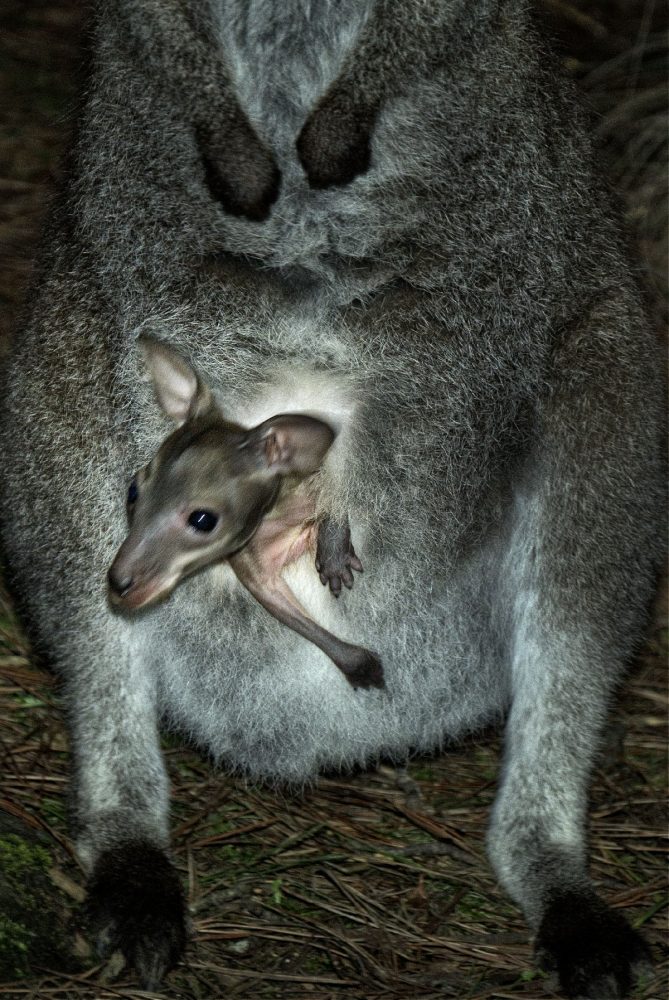
Awe Mum let me jump out and play!


Awe Mum let me jump out and play!

A young Bennetts wallaby mother lets her Joey take a look at the world. In another couple of months this eager joey will have all its fur and be able to hop along with its mother on the nightly foraging excursion. But the nights in Tasmania are still close to being cold with strong gusts of wind so for now mums pouch is the best place to be…


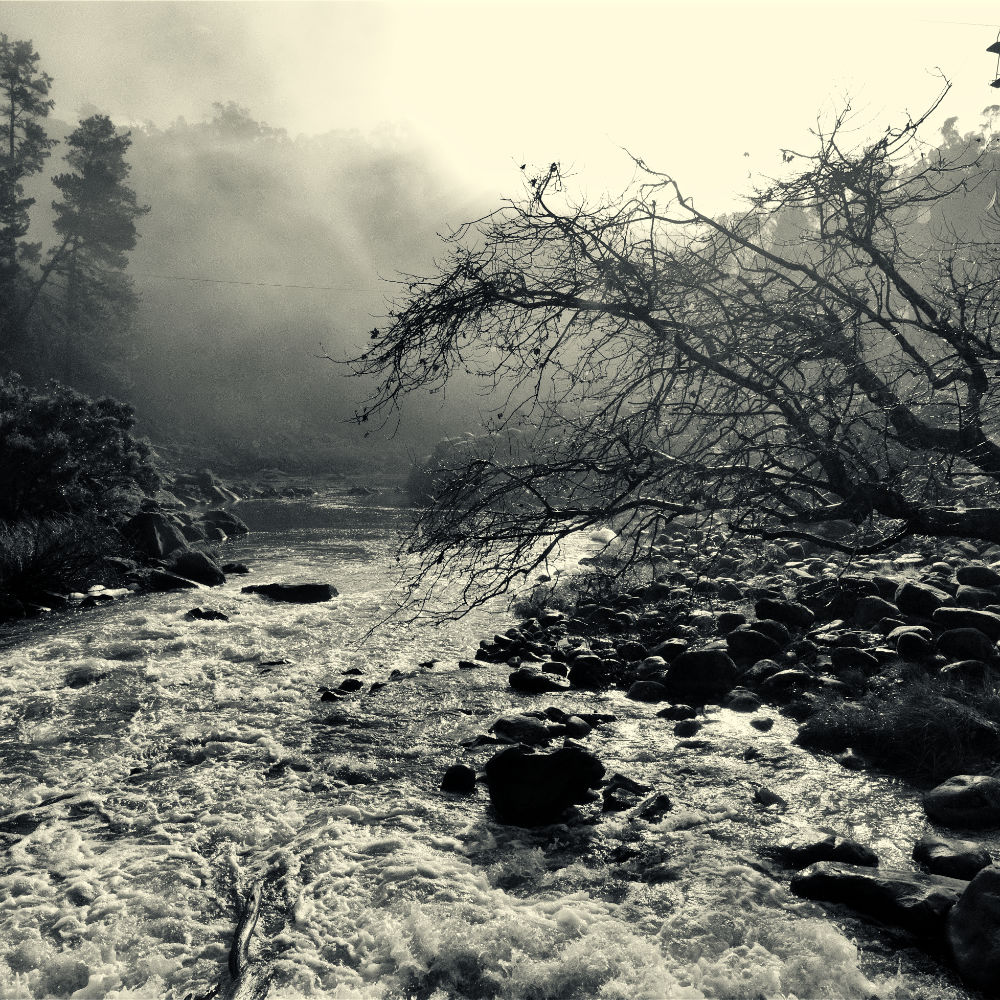
Mist on a sunny Sunday


A sepia warm feel to a photo taken on a cold sunny but foggy day

For some reason I nearly always feel very comfortable using a TLR and the Rollei T in particular. The camera I used through my Art school years was a Minolta Autocord II that focused with a leaver beneath the taking lens which was almost as good as the Rollei left hand focus wheel (knob) The disadvantage was that in cold weather (for me) it was too easy to catch the shutter if the leaver happened to be on the RHS at the start of focusing. Other than that the lenses and the film advance is much the same. Like really the linking of the aperture and shutter speed on the T and peculiarly I think the Rollei T is the only TLR that has that feature. Several TLR’s have 645 adaptor mask and counter wheels but as far as I know only the T in the house of Rollei. I’m going to put some fast 800 colour film in it next something that I have never used in medium before !


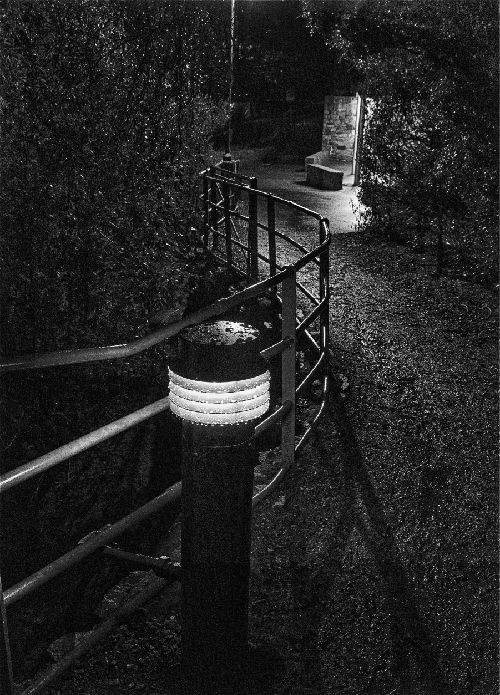
A rainy night in Launie


A rainy night in Launie with apologies to Brook Benton

A rainy night in Launie with apologies to Brook Benton. With a voice as rich and as smooth as oiled mahogany ‘A rainy night in Georgia’ epitomises the sheer haunting beauty of the black soul voice.
As for my picture the digital camera can do things which become tediously trying with film and these days expensive. Even with practice experience there are only two films I would consider for night work Fuji ACROS and Ilford 3200 rated at 1600. The former because ACROS film is unique in as much as one doesn’t have to account for reciprocity failure and the Ilford film because it can be pushed to 6400 and beyond (12500 anyone!) with acceptable results when developed in Ilfotec DDX, which sadly is perhaps the most expensive developer available in Australia… The above was made on an OM systems EM5 and the reason how I could capture this is the absolutely remarkable image stabilisation that the camera offers. No tripod needed!

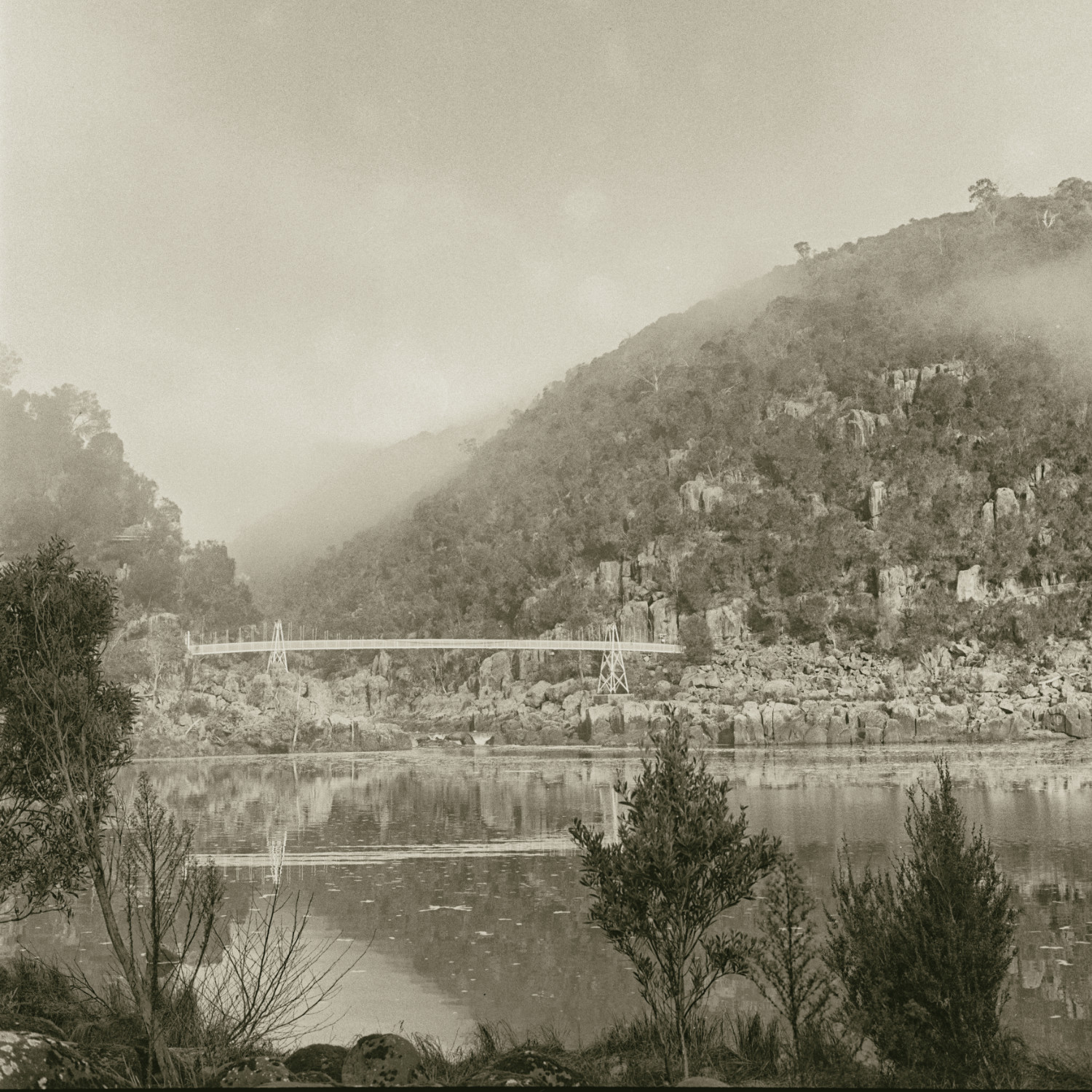
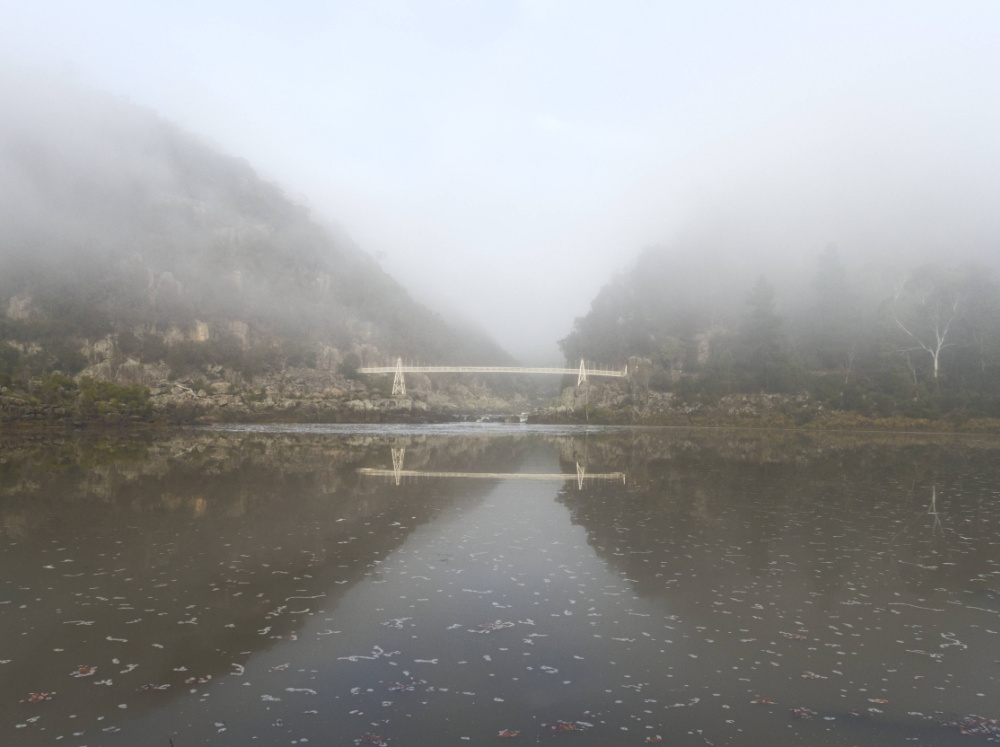
A foggy morning in the First Basin


A foggy morn in the first basin of the north esk river Launceston Tasmania